Garden Fencing in London

Garden fencing in London should do more than mark a boundary. It needs to suit the layout of the plot, work with the style of the property and stand up to everyday use. We provide garden fencing with options that can support privacy, pet containment, safer enclosure and a cleaner finish around planting beds, paths and seating areas. The right choice depends on the site, the level of screening needed and the look you want to achieve.
Our service covers replacement of tired fence runs, new fence installation where a boundary needs defining, and related garden works that help the finished result look neat and balanced. We can also discuss how fencing sits alongside garden services when a customer wants a broader outdoor tidy-up at the same time. The aim is to keep the process straightforward while making sure the fencing itself is practical and visually appropriate.
For customers comparing options, it helps to think first about purpose, then about materials, height and finish. Close-board styles, decorative panels and more open boundary solutions each create a different balance of shelter, airflow and appearance. If you are preparing an enquiry, a brief description of the line of fencing needed and any access limits is usually enough to start a useful conversation.
Fence installation and replacement work
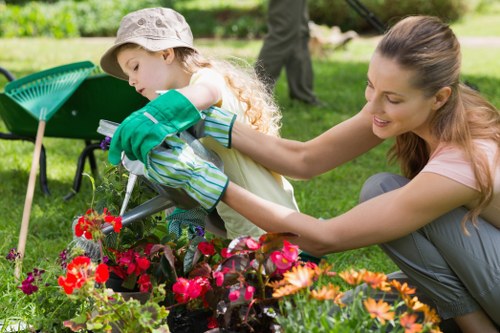
Fence installation is often the best choice when a garden boundary is being created or redesigned from scratch. We can help with the practical side of setting posts, aligning panels and achieving a consistent line that follows the site as neatly as possible. Where there is already a fence in place, replacement work may be more suitable, especially if the old run has warped, split or become visually untidy over time. The result should feel secure and tidy without looking overbuilt.
Replacement projects often involve assessing what can be retained and what needs to go. In some gardens, only the damaged sections need attention; in others, the whole run is easier to renew so the finish matches from end to end. Customers also sometimes want to coordinate fencing with wider outdoor improvements such as landscaping or a new layout around beds and access routes, which can make the final design easier to keep in order.
Choosing the right fence style
Different fencing styles serve different purposes. A solid panel can give stronger screening, while a lighter design may suit a boundary where some visibility or airflow is preferred. Height also matters: too low and the boundary may not feel defined; too high and the garden can lose light or look closed in. We look at the intended use of the fence, the shape of the garden and the visual balance with the house and planting before suggesting a direction. If you already know the style you want, that can be the starting point.
Boundary repairs, panels and supporting parts

Not every fencing job needs a full replacement. Sometimes the sensible answer is to repair a limited section, renew a few panels or improve the supporting parts that keep the run stable. When posts lean or fixings loosen, the visible panels may be the first thing people notice, but the underlying issue is often in the structure. Addressing the right part of the fence can extend its useful life and improve how it sits in the garden.
We can also discuss fence-adjacent work where it supports the finish, such as tidying ground edges or planning a cleaner transition between fence and lawn. In gardens where fencing forms part of a larger maintenance schedule, services like garden maintenance can help keep the surrounding area manageable. This matters because even a well-built fence looks less complete if the base is left cluttered or overgrown.
For some properties, repairs are the most practical step because the customer wants to preserve a matching look or avoid unnecessary disruption. For others, the cost and condition of the existing structure make a full run more sensible. A clear description of what has failed, along with the approximate length of the boundary, helps us judge whether a repair or replacement is likely to be the better route.
Garden fencing for privacy, pets and clearer boundaries

Garden fencing is often chosen for privacy, but privacy is not the only reason people invest in it. A clearly defined boundary can help make outdoor space feel more ordered, keep pets inside the garden and reduce uncertainty about where one property ends and the next begins. The best outcome is usually a fence that feels deliberate and suited to the way the garden is used, rather than one that simply fills a gap.
Where a property has different needs in different sections, fencing can be approached in a varied way. A solid boundary may suit a patio or seating area, while another side of the garden might benefit from a less dominant solution. We can also work alongside garden fence installation and related boundary upgrades when the project involves setting out a fresh run as part of the wider garden arrangement. That keeps the end result consistent and easier to understand.
Useful points to consider before requesting a quotation include the length of the boundary, whether access is straightforward, and whether the job involves removing old panels or posts. It also helps to say if the garden has slopes, tight side passages or planted areas that need protecting. These details make it easier to suggest a fence that fits the site properly and avoids unnecessary complications later.
Materials, finishes and practical features

The finish of a fence affects both how it looks and how it works. Timber remains a familiar option for many gardens because it can feel natural alongside planting, lawns and paving. Different panel patterns, post choices and edge details change the final appearance, so the material decision is rarely just about strength. It is also about whether the fence should feel traditional, understated or more contemporary in character.
Practical features matter too. A fence that has to work hard near children, pets or a busy shared boundary may need a more robust arrangement than one used mainly for decorative definition. In some cases, customers also choose to combine fencing with linked work such as garden fence replacement if the existing line is failing across several sections. That can produce a cleaner result than repairing isolated pieces one by one.
Finishes should be selected with long-term maintenance in mind. Some customers prefer the flexibility of a natural look they can treat later, while others want a neater appearance from the start. Weather exposure, shade and nearby planting all influence how a fence ages, so the best option is often the one that balances appearance with realistic upkeep. If you are unsure, it is sensible to ask for options rather than trying to choose on appearance alone.
Fencing alongside wider garden work
Garden fencing often sits at the centre of a larger outdoor project rather than existing as a stand-alone task. When the boundary is being renewed, other parts of the garden may also need attention so the finished look feels coherent. That might include shaping the surrounding layout, clearing awkward edges or making sure the new fence line works with access routes and planted areas. The fence then becomes part of a more usable whole.
In some projects, fencing is one stage in a sequence that also includes surface cleaning, clearance or other finishing work. Services such as garden clearance can be useful where old timber, broken supports or general outdoor clutter need removing before the new boundary is installed. This is especially relevant when a run has been neglected for a long period and the site needs to be made ready for better work.
Commercial decisions about fencing are usually simpler when the customer has a clear idea of what matters most: privacy, strength, appearance or maintenance. We can then discuss which parts of the job are essential and which are optional, instead of treating every fence as if it needs the same answer. That approach helps keep the project proportionate to the garden and the intended use of the space.
About London
London is a large, layered city shaped by its position on the River Thames and by centuries of change in settlement, trade and government. Its historic core grew from Roman Londinium, while later growth spread outward through former villages, market centres and planned terraces that were absorbed into the expanding metropolis. Today the city is made up of distinctive districts and boroughs, each with its own streetscape, pace and identity. The Thames remains one of the clearest physical features, linking areas such as Westminster, Southwark, the City and the Docklands while also marking out many riverside walks, bridges and views. London’s built environment ranges from medieval church towers and Georgian squares to Victorian rail infrastructure, post-war estates and contemporary glass towers, so a walk across even a small section of the city can reveal several different layers of history at once. Cultural life is equally varied. Theatres, galleries, markets, museums, football grounds, music venues and neighbourhood high streets all contribute to the city’s character, while parks such as Hyde Park, Regent’s Park, Hampstead Heath and Greenwich Park provide major open spaces within the urban fabric. Transport has long been central to London’s growth, and the Underground, rail links, buses and river crossings continue to shape how the city functions. Its scale and diversity mean that local identity often matters as much as the wider city name, with places such as Camden, Greenwich, Wandsworth, Hackney and Richmond each carrying a recognisable feel of their own. That mixture of history, movement and neighbourhood variety is part of what makes London unusually rich in physical detail and civic life.
Planning a fencing project
Before work begins, it is worth thinking through the practical shape of the job so the quotation reflects the actual task rather than a rough guess. A measured length is helpful, but so is information about gates, corners, slopes and any sections that are difficult to reach. If the old fence needs removing, that should be mentioned too, along with whether the garden remains in use during the work. Clear notes make it easier to keep the scope precise.
It also helps to say what the fence must achieve in day-to-day use. A boundary that mainly supports privacy may be different from one intended to hold pets safely or replace a visibly damaged run that is letting the garden down. Where the project overlaps with other outdoor work, such as garden fence replacement and surrounding tidy-up, it can be useful to describe the whole area together so the proposal covers the full practical need.
If you are comparing options, do not feel pressured to decide everything in advance. A short list of priorities is enough: perhaps stronger screening, a better finish, or a cleaner boundary line. That simple brief often produces a more relevant quote than a long list of uncertain ideas. Once the main purpose is clear, the remaining choices can usually be narrowed down without fuss.
Related garden services and finishing touches
The fencing itself is only part of the picture when a garden boundary is being improved. Some customers also need trimming, clearance or surface tidying so the new fence does not sit against untidy edges. Where overgrowth has pushed into the boundary line, cutting back the surrounding growth first can make installation easier and help the final result look sharper. In more complex gardens, combining services can prevent the job from feeling half-finished.
That is why related work such as hedge trimming can matter to a fencing project. If hedges lean over a boundary or conceal damaged sections, addressing them alongside the fence can improve access and visibility. Similarly, where the garden needs a broader refresh, a package that includes boundary work and wider outdoor care can feel more efficient than arranging each task separately.
We aim to keep recommendations practical rather than pushing unnecessary extras. If the current fence is sound apart from a short section, a full replacement may not be needed. If surrounding growth is the issue, cutting it back may solve the visual problem without changing the fence itself. The useful question is always what will make the boundary secure, tidy and appropriate for the space.
Getting a quotation for garden fencing
When you are ready to request a quotation, it helps to mention the type of work first: new installation, repair, partial replacement or a complete renewal. After that, note the approximate size of the area, any access restrictions and whether there are existing materials to remove. If you have a preferred style, you can say so, but it is also fine to ask for guidance if you are undecided. The more specific the outline, the easier it is to match the proposed work to the garden.
Pricing for fencing usually depends on the length of the boundary, the materials used, the condition of the current fence and the time needed to remove what is already there. Level ground is different from a sloping or awkwardly shaped site, and a straightforward replacement is different from a boundary that needs careful adjustment. If your project includes linked work such as pricing and quotes, the quotation can be shaped around the details you provide rather than relying on assumptions.
For the quickest start, send a concise description and a few basic measurements, then ask for the most suitable route. Request your quotation today and we will help you plan the fencing work in a way that is practical, tidy and appropriate for the garden.